Garage Door Accessories in Parker for Smooth and Secure Operation
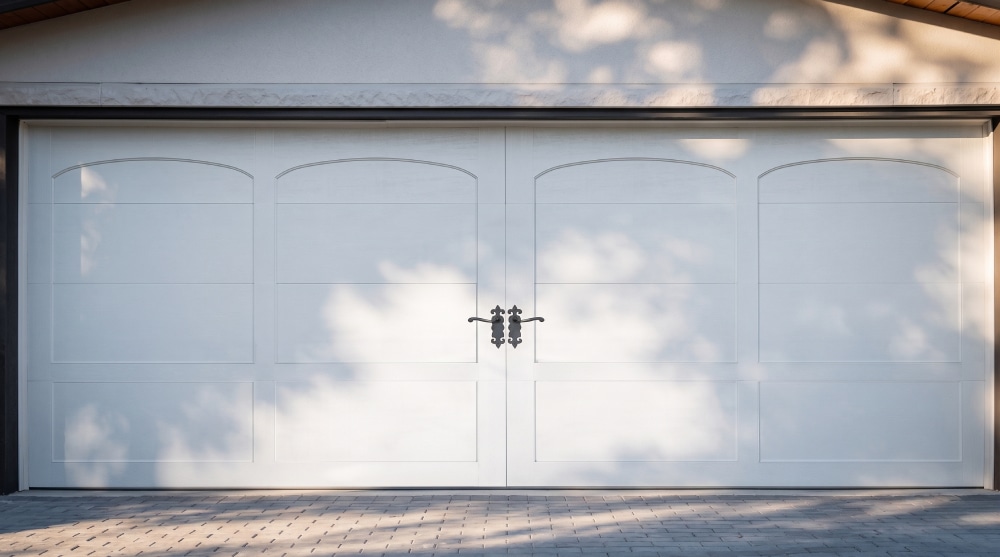

A garage door does a lot more than open and close. In many Parker homes, it serves as the main entry point, a weather barrier, a security layer, and a daily convenience that nobody wants to think about until it stops working. When homeowners talk about garage door upgrades, the conversation often jumps straight to the door itself or the opener. The accessories are usually treated as afterthoughts. That is a mistake.
The right accessories can change how reliably a garage door operates, how safely it responds, and how well it holds up through Colorado’s dry air, dust, cold snaps, and temperature swings. A basic system can work fine for a while, but a well-equipped system works more smoothly, needs fewer nuisance repairs, and gives you better control over who gets in and when.
That matters in Parker, where garages often double as workshops, storage areas, mudrooms, and staging spaces for bikes, sports gear, lawn equipment, and seasonal decorations. A garage door that jerks, stalls, reverses unexpectedly, or leaves gaps at the bottom is more than an inconvenience. It can invite moisture, pests, drafts, and security concerns into the part of the house most people use every day.
What counts as a garage door accessory
When people search for Garage Door Accessories Parker, they are often thinking about remotes, keypads, and smart controls. Those are important, but the category is wider than most expect. Accessories include the parts and add-ons that improve operation, safety, sealing, visibility, convenience, and long-term performance.
Some are electronic, such as battery backup systems, wall stations, smartphone modules, motion-activated lighting, and photo-eye sensors. Others are mechanical or protective, such as weather seals, insulated bottom seals, reinforcement brackets, upgraded rollers, and surge protection. A few sit somewhere in the middle, like keyed emergency release kits or laser parking guides.
The best accessory choices depend on how the garage is used. A family with three drivers and two teenage kids has different needs than someone who uses the garage as a woodworking shop. A detached garage may need stronger lighting and access control. An attached garage may benefit more from quiet rollers, better sealing, and integrated smart monitoring.
Why accessories matter more in Parker than many homeowners realize
Parker’s climate creates very specific stress on garage door systems. Dry conditions can shorten the life of certain plastics and seals. Dust can accumulate around tracks, sensors, and hinges. Winter can stiffen old weatherstripping and expose weak batteries. Summer heat inside a west-facing garage can be punishing, especially if the garage is not insulated.
I have seen doors that looked mechanically sound but performed badly because the small supporting pieces had been ignored. One homeowner had replaced the opener twice in eight years, convinced the brand was the problem. The real issue was a combination of worn nylon rollers, a brittle bottom seal that let in grit, and poorly aligned safety sensors that caused intermittent reversing. Once those items were addressed, the opener stopped straining and the entire system became quieter and more predictable.
That pattern is common. A garage door is a system, not a single product. Accessories either support that system or expose its weak points.
The accessories that deliver the biggest payoff
Not every add-on is worth the money. Some are pure convenience. Others solve real problems and prevent expensive wear. If you are deciding where to start, focus on the accessories that affect security, safety, and the smoothness of daily operation.
Smart controls and app connectivity
Smart garage access has matured. Early systems were sometimes clunky, but current options are useful when installed correctly. The main benefit is visibility. You can confirm whether the door is open, close it remotely, receive alerts, and in some systems create schedules or guest access.
That is especially helpful for households with children coming home from school, service providers who need limited access, or anyone who has driven halfway to Castle Rock and wondered whether the garage door was left open. A phone app does not make the door more durable by itself, but it reduces human error, which is one of the biggest causes of unnecessary exposure and overnight security risk.
Still, smart features are only as good as the underlying equipment. If the opener is old, the Wi-Fi signal is weak, or the door balance is off, adding an app module will not solve the root problem. It is a convenience layer, not a substitute for proper mechanical performance.
Wireless keypads
A wireless keypad is one of the most practical accessories for active families. It allows access without a remote or key and becomes especially useful for kids, dog walkers, relatives, and anyone heading out for a walk or bike ride who does not want to carry extra items.
Keypads do have one common failure point in Parker, and that is battery neglect. The issue is simple but frustrating. The keypad works fine for months, then stops during a cold spell or after heavy use, and people assume the opener has failed. A routine battery change once a year avoids most of that drama.
Placement matters too. A keypad mounted where afternoon sun beats on it can age faster. One installed too close to irrigation overspray or exposed framing can also suffer. These are not major problems, but they are reasons to choose and install the accessory thoughtfully.
Battery backup systems
A battery backup allows the opener to function during a power outage. For some households, this feels optional until the first outage arrives during a snow event or when the car is stuck inside and someone is already late.
In Parker, brief outages and weather-related interruptions are enough to justify considering one, especially if the garage is your primary entrance. A battery backup does not usually provide endless cycles, but it offers enough operation to get in or out safely. That can be the difference between a mild inconvenience and a real disruption.
There is one caveat. Backup batteries are consumable parts. They need periodic replacement, and homeowners sometimes forget they exist until they fail their self-test. If you add one, mark the replacement date somewhere visible.
Safety sensors and upgraded wall controls
Photo-eye sensors are easy to overlook because they are already standard on modern openers. But standard does not mean maintenance-free. Sensors drift out of alignment, wiring gets nicked, sun glare causes occasional interference, and dust builds up on the lenses.
An upgraded wall control, particularly one with lock functions, light controls, and status indicators, can also improve daily use. Homes with young children often benefit from a vacation lock feature or a control mounted at the right height in a more protected location.
When a door starts reversing for no obvious reason, homeowners often suspect the opener logic board. Sometimes the actual culprit is simpler: dirty sensor lenses, slight bracket movement, or worn low-voltage wiring. Replacing or correctly repositioning these accessories can save a lot of diagnostic guesswork.
Weather seals and threshold seals
Among all Garage Door Accessories Parker homeowners can buy, sealing products are some of the most underrated. The bottom seal, perimeter weatherstripping, and threshold seal keep out wind, dust, water, leaves, and pests. They also reduce drafts that can creep into adjacent rooms.
Parker’s conditions are not kind to cheap sealing materials. I have seen bottom seals become hard and cracked far sooner than expected, especially on south-facing garages or doors that get strong afternoon sun. Once that seal degrades, grit starts working its way in. The garage floor gets dirtier, the door closes less cleanly, and in some cases melting snow or wind-driven rain can sneak under the gap.
Threshold seals help when the concrete is slightly uneven or the slab has settled enough that the bottom seal no longer contacts the floor uniformly. They are not the answer for major structural problems, but they can be a sensible fix for minor inconsistencies.
Reinforcement brackets and opener support hardware
This is not the glamorous category, but it matters. Reinforcement brackets support the area where the opener arm attaches to the door. On lightweight steel doors, especially wider doors, that stress point can fatigue over time. Wind load, repeated cycling, and opener force all concentrate there.
If a homeowner has upgraded to a stronger opener without checking the door reinforcement, that mismatch can lead to panel cracking or distortion. A relatively inexpensive bracket can prevent a much more expensive panel repair.
The same logic applies to opener support hardware. A ceiling-mounted opener needs solid support. Loose angle iron, undersized mounting, or old hardware can contribute to vibration, noise, and premature wear. Quiet operation often starts with secure mounting, not just quieter components.
Upgraded rollers for smoother movement
Rollers are one of the first accessories I look at when a door sounds rough but the springs and opener still seem healthy. Old metal rollers can rattle, wear unevenly, and create vibration that homeowners assume is normal. It often is not.
Quality nylon rollers with good bearings usually make a noticeable difference in sound and movement. They are not a cure-all, and they do not belong on every setup without inspection, but for many residential doors they are a smart upgrade. On an attached garage beside a bedroom or home office, that noise reduction alone can make the investment worthwhile.
Accessories that improve daily life, not just performance
Some upgrades are less about preventing failure and more about making the garage easier to live with. That does not make them frivolous. A garage is a working space, and small improvements can remove daily friction.
Here are five accessories that often earn their keep quickly:
- Motion-activated garage lighting for better visibility when arriving after dark.
- Laser parking guides or wheel stops for tight garages with limited clearance.
- Extra remotes for multi-driver households that do not want constant remote swapping.
- Exterior key release kits for garages without a secondary entry door.
- Surge protectors designed for garage door opener electronics.
A motion-activated light can be especially valuable in winter, when people come and go in the dark more often. A laser parking guide sounds like a gadget until you see how often people inch too far and crowd shelves, a freezer, or stored tools. Surge protection is another quiet winner. Modern opener boards are more sensitive than older units, and replacing one after a spike costs far more than protecting it.
Choosing accessories based on how the garage is actually used
A garage that stores two vehicles and nothing else has one set of priorities. A garage that doubles as a gym, workshop, or package delivery point has another. That is why the best recommendations come from observing behavior, not just reading product boxes.
For example, a retired couple who rarely uses the wall button may not need multiple control upgrades, but they might benefit from better weather sealing and brighter lighting. A family with teenagers may place higher value on a reliable keypad and smart notifications. Someone who travels often may care most about remote status checks and secure guest access. A person using power tools in the garage will appreciate dust-aware maintenance and better sealing more than cosmetic add-ons.
This is also where noise tolerance comes into play. If there is a bedroom above the garage, a quiet package of accessories can matter more than raw opener power. Nylon rollers, secure mounting, proper lubrication, and a well-balanced door reduce noise at the source. In that case, buying the loudest high-horsepower opener on the shelf would miss the point.
What homeowners in Parker often get wrong
The most common mistake is buying accessories to mask a mechanical problem. If a door is heavy, jerky, crooked, or loud enough to shake the framing, the answer is not another remote, a stronger opener, or a smart module. The answer is inspection and correction of the base system.
The second mistake is mixing parts without considering compatibility. Not every smart control pairs well with every opener. Not every battery backup fits older models. Some keypads communicate best within a manufacturer family. A universal accessory can work, but universal does not always mean ideal.
The third mistake is over-prioritizing visible features and under-prioritizing sealing, reinforcement, and maintenance. The glamorous accessory usually gets the attention. The unglamorous one often delivers the better long-term result.
Signs your current setup is missing the right accessories
Sometimes the need is obvious. More often, it shows up as a pattern of small frustrations. A garage door may still function while telling you that the setup is incomplete or aging out.
Watch for these conditions:
- The door reverses randomly, especially in bright sun or after windblown dust.
- Cold air, leaves, or water get under the bottom edge during storms.
- The door is technically working but has become noticeably louder over the past year.
- Family members regularly get locked out or leave the door open by mistake.
- Power outages leave you without easy access through the main household entry point.
Each of those points suggests an accessory gap, though some also point to wear that should be addressed first. The door that lets in dust may need a new seal, but it may also have track or floor alignment issues. The noisy door may benefit from upgraded rollers, but it could also have hinge wear or poor balance.
Installation quality matters as much as the accessory itself
A premium accessory installed poorly can perform worse than a midrange accessory installed correctly. That is especially true with sensors, smart modules, weather sealing, and support brackets.
I have seen weatherstripping installed tightly at the top and loosely at the sides, leaving visible daylight near the corners. I have seen keypads mounted where they get blasted by direct weather exposure when a more protected Garage Door Accessories Parker spot was available three feet away. I have seen opener supports attached to questionable framing that amplified vibration through the ceiling.
Good installation starts with basic judgment. The installer should check the door balance, track condition, opener force settings, and the surrounding structure before recommending upgrades. If an accessory is being added to compensate for an unresolved mechanical issue, that should be stated plainly.
Maintenance keeps accessories from becoming failure points
Accessories are often marketed as set-it-and-forget-it upgrades. In practice, most need occasional attention. That does not mean constant work. It means brief, sensible checks before a minor issue grows into a service call.
A sensible homeowner routine includes the following:
- Wipe photo-eye lenses and confirm they face each other correctly.
- Test the keypad and replace batteries before seasonal temperature drops.
- Inspect bottom and perimeter seals for cracks, flattening, or daylight gaps.
- Listen for changes in roller noise and watch for rough travel in the tracks.
- Check backup battery status if your opener includes one.
Those small checks take little time. They also help separate accessory issues from larger mechanical problems. If the keypad fails but the wall control still works, the diagnosis is very different than if the entire opener is unresponsive. If the seals are intact but water still enters, the floor pitch may be part of the problem.
When it makes sense to upgrade several accessories at once
There are moments when bundling upgrades is the smartest route. If the opener is being replaced, it is often efficient to add a keypad, smart control, battery backup, and surge protection during the same visit. The labor overlap can make that more cost-effective than spacing everything out.
The same applies when a door is already being serviced for rollers, hinges, or panel reinforcement. That is a good time to inspect seals, sensor alignment, and opener attachment points. Coordinating the work can reduce repeat callouts and ensure the components function together.
That said, not every garage needs a full accessory package. Some homes only need two or three well-chosen additions to feel dramatically better. A quiet roller upgrade, new weather seal, and keypad may be the perfect combination for one property. Another may benefit most from app control, stronger lighting, and a threshold seal.
Making a practical decision
If you are sorting through Garage Door Accessories Parker options, start with honest priorities. Ask what problem you are trying to solve. Is it security? Noise? Weather intrusion? Access for multiple users? Reliability during outages? The answer should drive the accessory choice.
A garage door should feel uneventful. It should open smoothly, close firmly, protect the space, and stay out of your mental bandwidth. The accessories that matter most are the ones that make that happen consistently. They are not always the flashiest products on the shelf. Often, they are the durable, well-matched pieces that improve the whole system in quiet, practical ways.
For Parker homeowners, that usually means a mix of control, protection, and durability. Good sealing against local conditions. Safe and reliable access for daily routines. Hardware that supports the door instead of straining it. Electronics that add convenience without introducing fragility. Get those details right, and the garage door becomes what it should be: smooth, secure, and dependable every single day.
Select Garage Doors
11479 Pine Dr
Parker, CO 80134, United States
Phone: (303) 228-0018
FAQ About Garage Door Accessories Parker
Where can I find garage door accessories?
Garage door accessories are available from garage door service companies, authorized dealers, home improvement stores, and specialist suppliers. Select Garage Doors supplies and installs accessories for homeowners in Parker, including compatible remotes, wireless keypads, weather seals, and smart controls. Check your opener model and door specifications before choosing a replacement or upgrade.
How to make a garage door more attractive?
Cleaning the door, refreshing a manufacturer-approved finish, and choosing coordinated decorative handles or hinge accents can improve its appearance. Compatible window inserts may also change the look of an existing window section. Match accessories to the door material and style, and make sure added hardware does not interfere with movement, seals, or safety equipment.
Where can I buy garage door inserts?
Decorative window inserts can be sourced through the door manufacturer, an authorized garage door dealer, or a supplier that carries parts for your specific door series. Match the model, window frame dimensions, and attachment system; inserts are not universally interchangeable. Ask a professional to confirm compatibility before ordering, especially if the work involves glass or changes to a door section.